
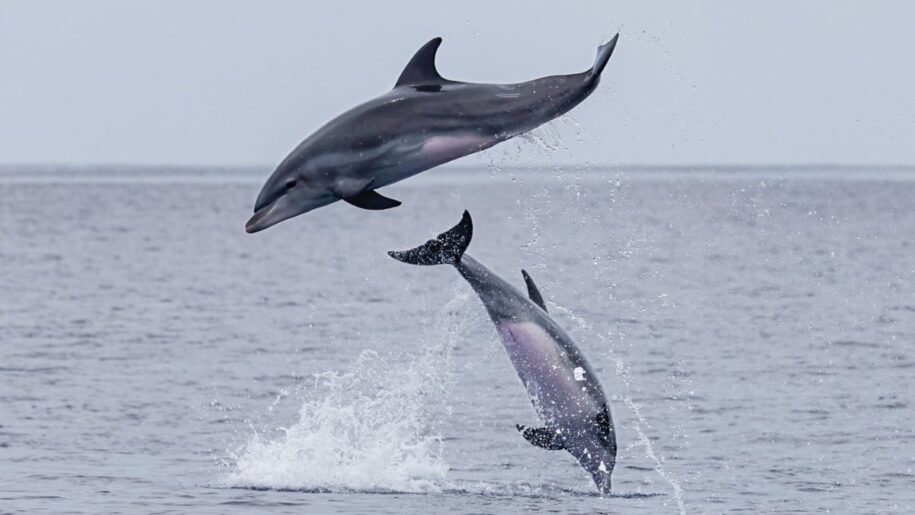
Experience the magic of whale watching in the Azores with Picos de Aventura and discover how this activity brings together nature, science, and adventure.
An archipelago where cetaceans reign
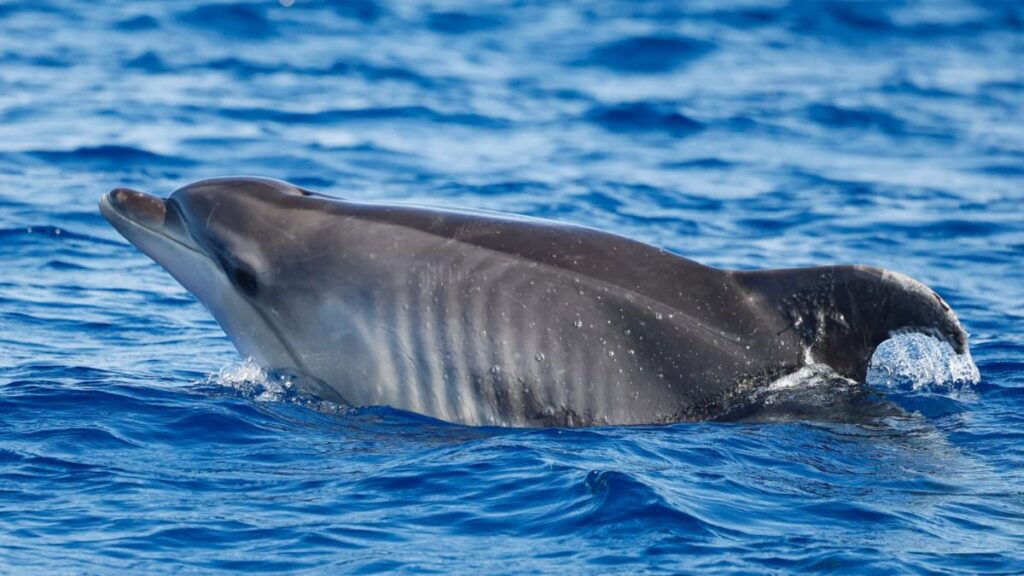
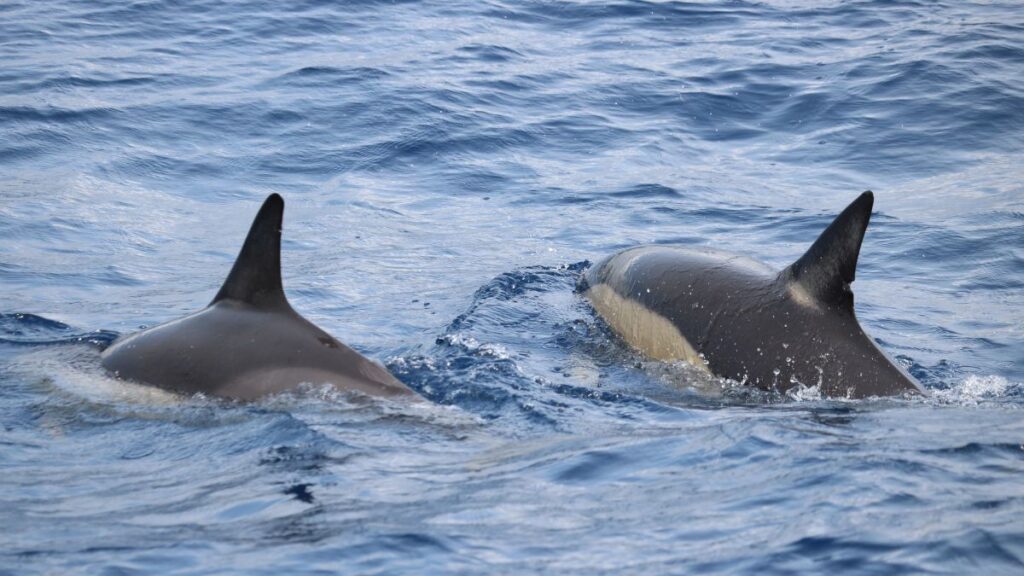
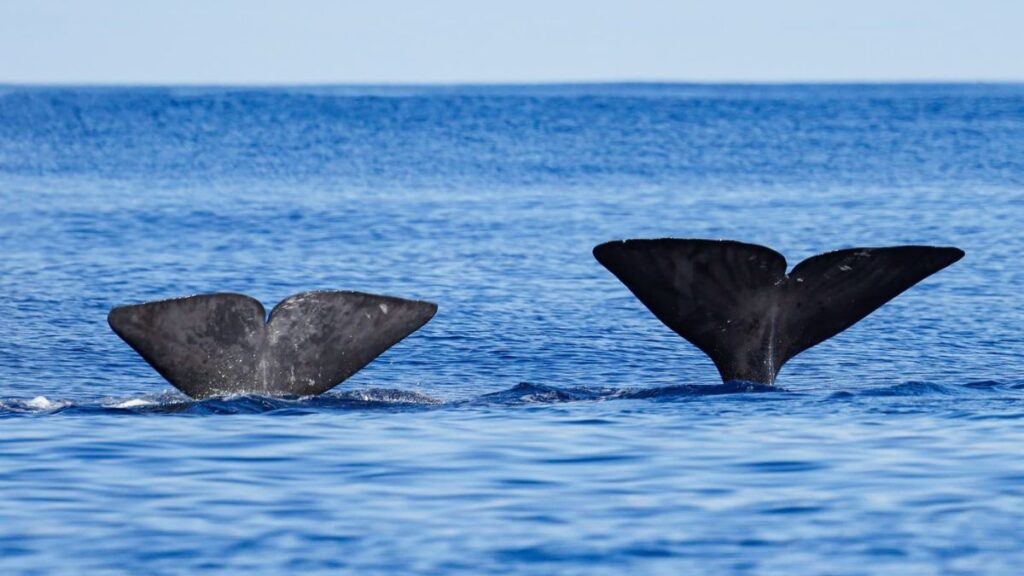
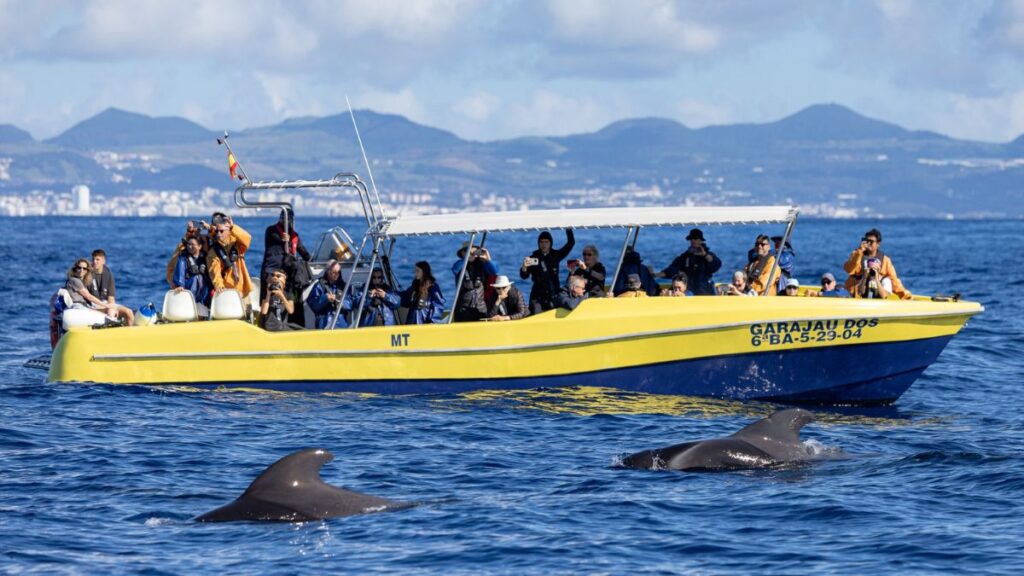
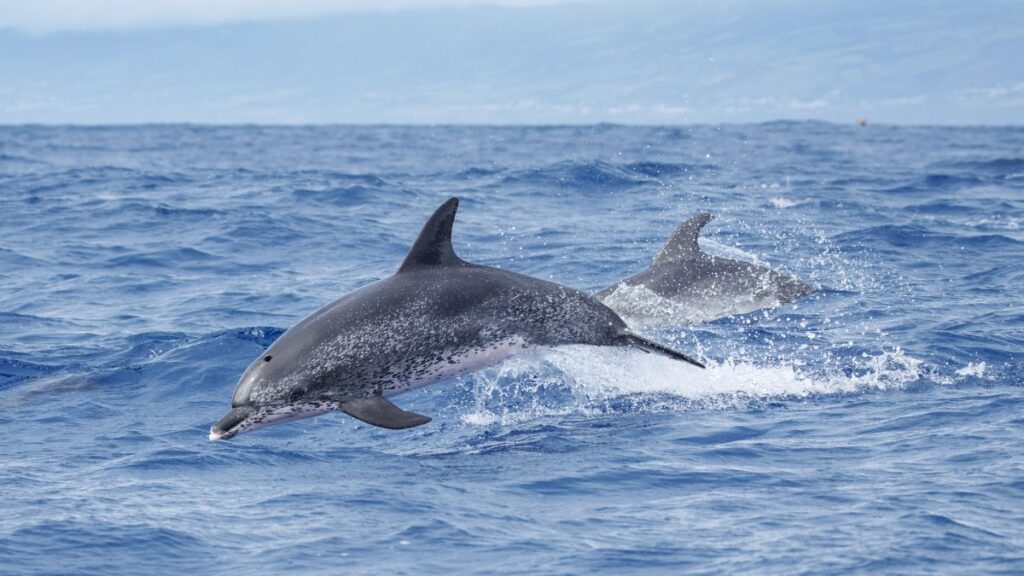
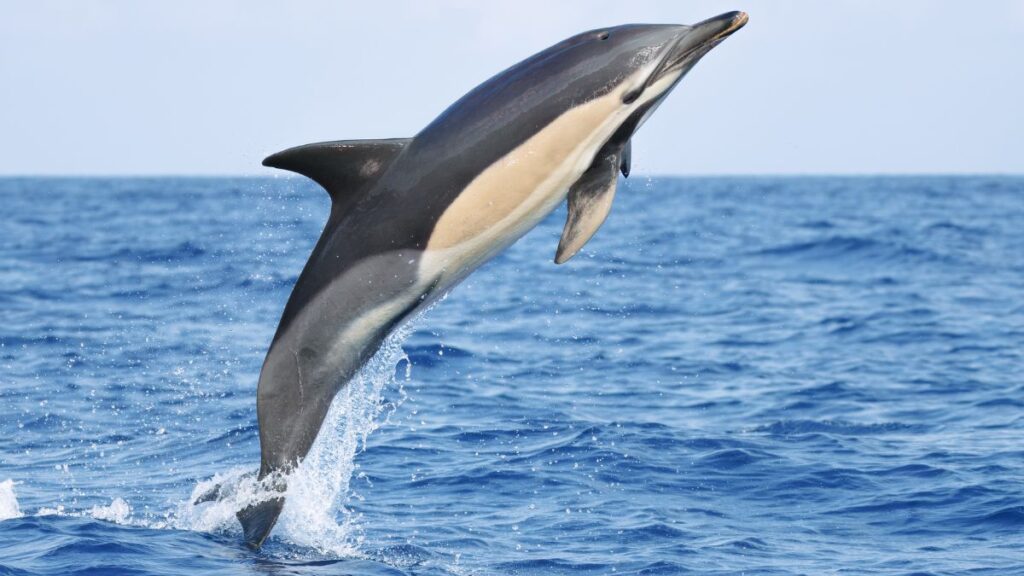
In the heart of the Atlantic, the Azores stand out as one of the best places in the world to observe cetaceans in their natural habitat. The deep, nutrient-rich waters surrounding the islands create ideal conditions for feeding, reproduction, and migration for dozens of marine species. So far, around 29 cetacean species have been recorded in the region, four of which are considered residents: the sperm whale, the common dolphin, the bottlenose dolphin, and Risso’s dolphin. This means that these species can be spotted throughout the entire year.
The activity is especially popular between May and September, when weather conditions are more favorable and there is greater species diversity, including migratory whales. However, every month brings its own surprises, making each tour a unique experience.
The experience with Picos de Aventura
Joining a whale-watching tour with Picos de Aventura means stepping into a world where adventure blends with knowledge, safety, and respect for marine life. The experience always begins on land with a detailed briefing to ensure that all participants understand the safety procedures, the Azorean code of conduct, and the important role this activity plays in marine conservation.
During the briefing, the team explains common cetacean behaviors, approach rules, how the spotting system works, and the key characteristics of each species. After this introduction, it’s time for the most anticipated moment: heading out to sea.
All trips are guided by an experienced crew made up of skippers, marine biologists, and lookouts. The lookouts, an important heritage from the old whaling tradition, position themselves in strategic locations around the island, scanning the ocean with long-range binoculars. They communicate the animals’ location via VHF radio to the boats, significantly increasing the success rate. Thanks to this coordinated system, only 1% to 5% of trips result in no sightings, and Picos de Aventura boasts an impressive 99% success rate.
Sustainability and conservation first
Whale watching is not just a tourism activity, it is also a powerful tool for environmental awareness. Picos de Aventura strictly follows all Azorean regulations, including Regional Legislative Decree no. 10/2003/A and Ordinance 5/2004, which define minimum distances, maximum observation times, and approach limits, especially when calves are present.
Every detail is designed to ensure the animals’ well-being: the boat always approaches from behind, maintains a safe distance, and respects the time limits for each group of cetaceans.
Moreover, the company collaborates with several key scientific projects such as MONICET, COSTA, Elasmobase, and Procellar-ID, helping collect essential data for marine monitoring and conservation. Each trip is therefore more than an adventure, it also contributes directly to science.
What you can see and experience at sea
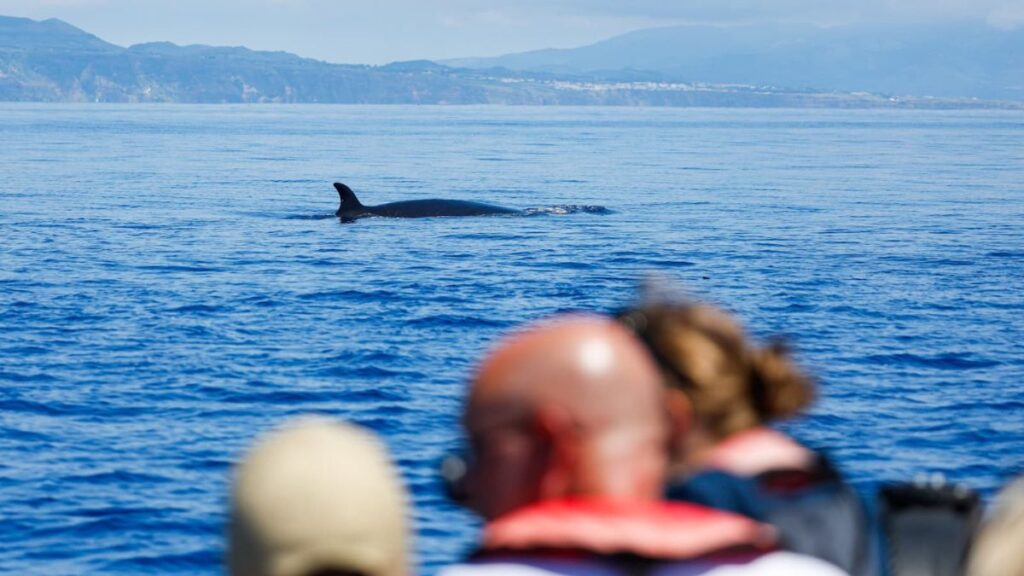
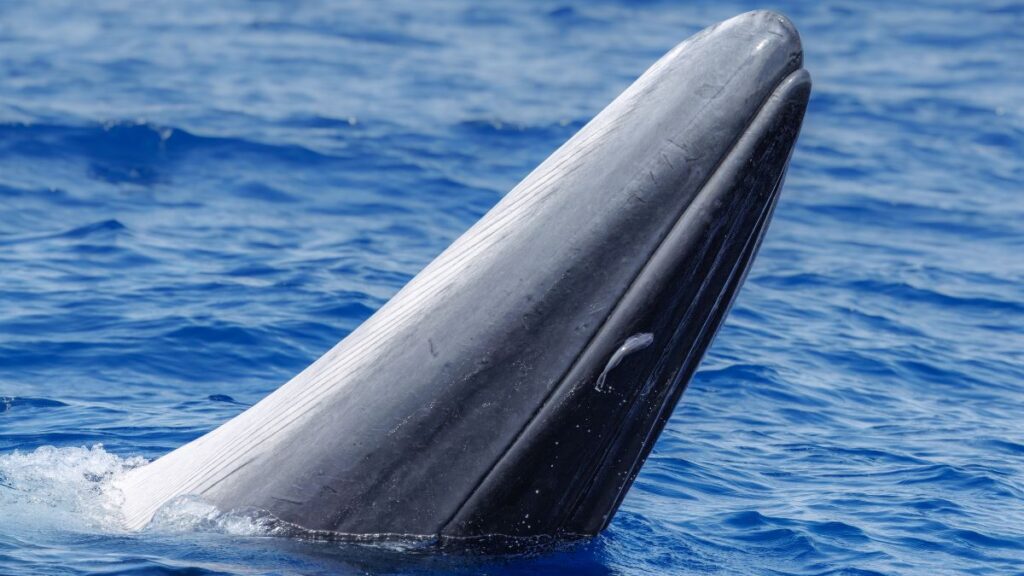
Every tour is unique. You may witness dolphins socializing, whales resting at the surface, sperm whales diving to feed, or even playful behavior such as dolphins surfing the boat’s waves. Beyond cetaceans, it is also common to spot sea turtles, seabirds, and other members of the marine megafauna.
The connection with nature is often described as transformative. Many participants cherish these moments as memories for life.
Which boat is ideal for you?
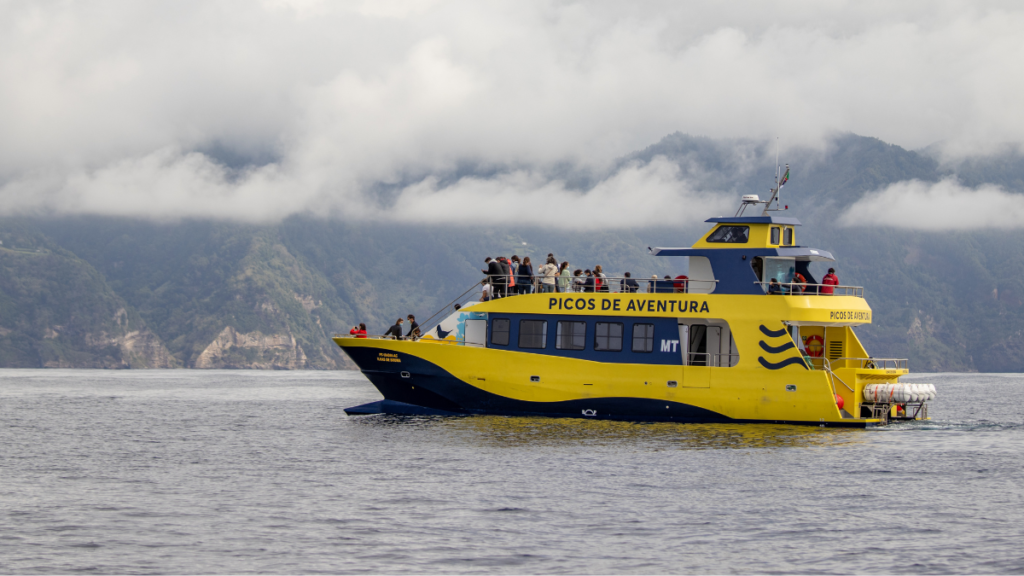
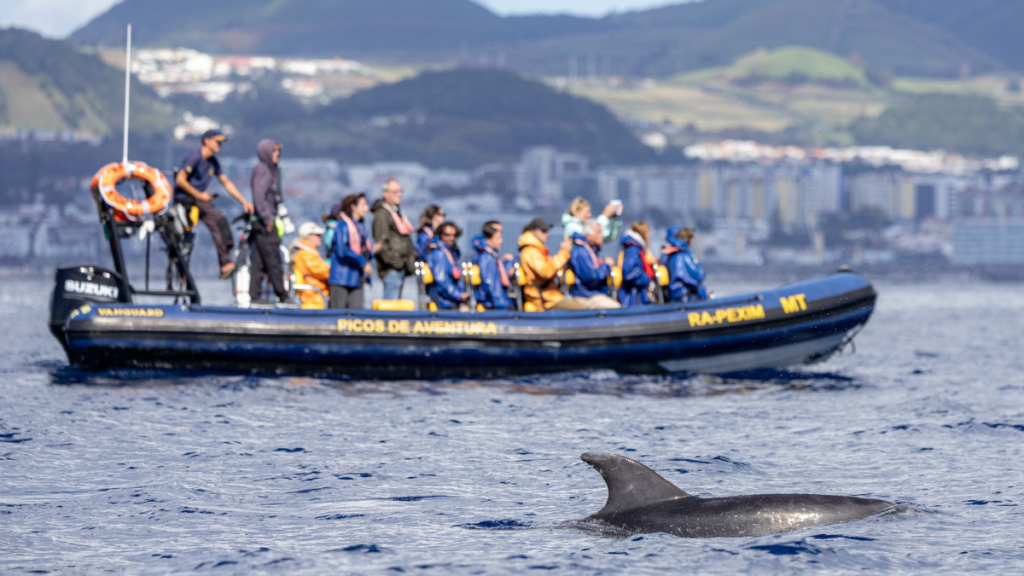
Picos de Aventura offers two types of vessels:
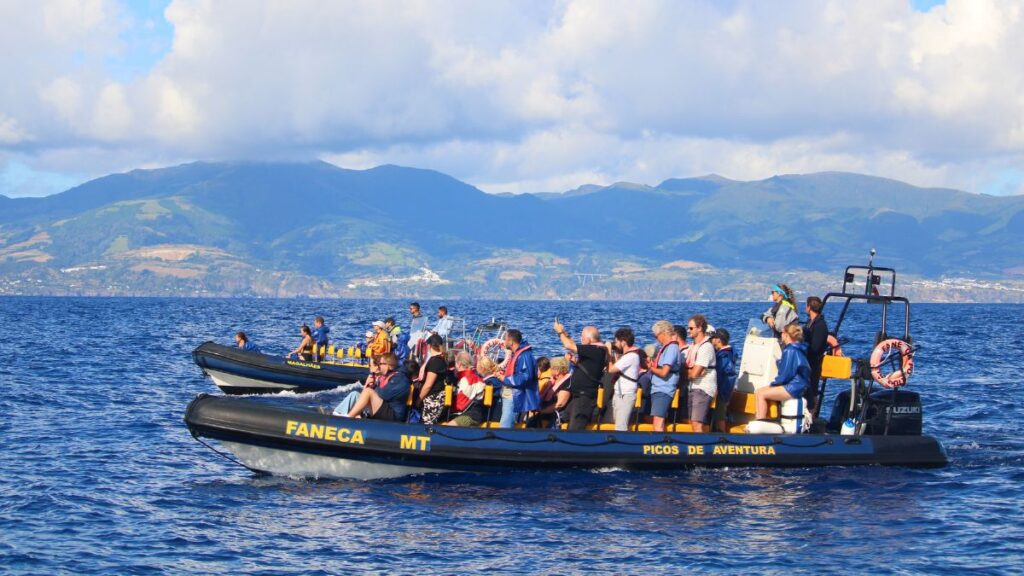
Rigid-inflatable boat (RIB)
Perfect for those seeking adventure and proximity to the water. Fast, dynamic, and ideal for adrenaline lovers. Life jackets are mandatory, and waterproof jackets are provided.
Catamaran
A more comfortable option, ideal for families, small children, or people with reduced mobility. Equipped with toilets, an indoor lounge, and excellent stability. Passengers can move around freely and enjoy a relaxed whale-watching experience.
What to bring and important recommendations
- Comfortable, weather-appropriate clothing
- A warm, windproof jacket (it’s colder at sea)
- Sunscreen, water, and a light snack
- A light meal before the tour to help prevent seasickness
- Extra sun protection on bright days
This activity is not recommended for pregnant women, people with back or heart conditions, or those who suffer from anxiety.
The average duration is 2 hours and 30 minutes to 3 hours, including the briefing.
Book your experience with us here.

