Environmental Education and Ecology
Since its beginning in 2002, de Aventura has ensured that each one of its activities is enriched with knowledge and awareness of the Nature conservation.
As our most popular activity is whale-watching, is also the one that most easily causes a positive impact. When if observe such emblematic animals as Dolphins and Whales, it is almost immediate the empathy between observers and observed species. After what is often an emotional experience, it is precisely at this point that an opportunity arises for raising awareness and educating about environmental issues.
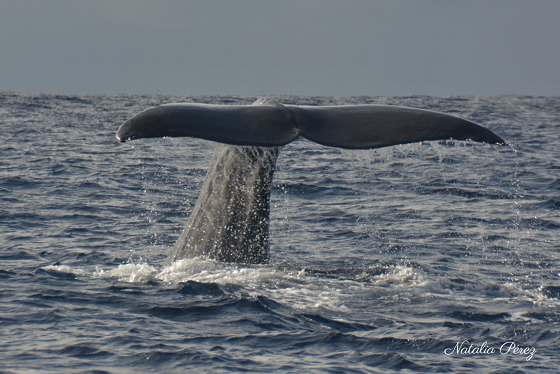
Figure 1 – Sperm whale fluke, one of the most wanted photos from our resident species.
Since its beginning in 2002, de Aventura has ensured that each one of its activities is enriched with knowledge and awareness of the Nature conservation.
As our most popular activity is whale-watching, is also the one that most easily causes a positive impact. When if observe such emblematic animals as Dolphins and Whales, it is almost immediate the empathy between observers and observed species. After what is often an emotional experience, it is precisely at this point that an opportunity arises for raising awareness and educating about environmental issues.
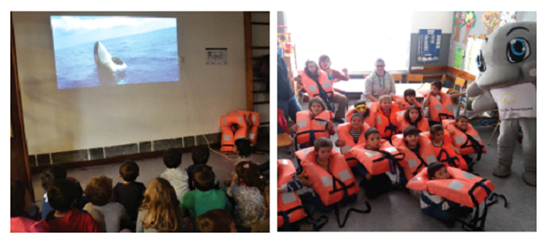
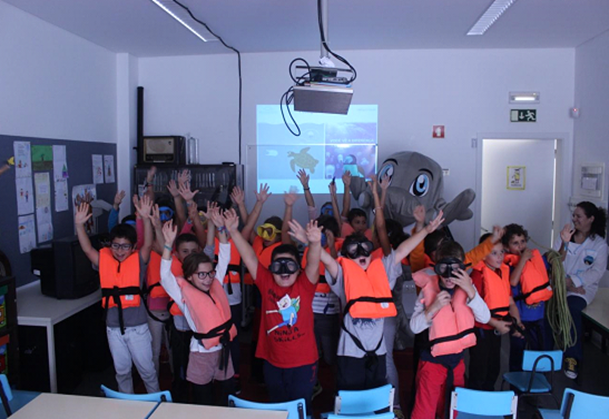
Figure 2 – Using toys, image, sound, make it easy the young ones learn the cetaceans and other marine animals that live around Azores. For the young ones we bring life jackets and snorkel masks, to imitate a trip in the ocean.
From 2 to 4 years old, it is possible to transmit the differences between Fish and Marine Mammals and show the main characteristics of the best known species. We also use themed drawings for coloring and puzzles, ending with a story on Turtles and the problem of plastic ingestion.
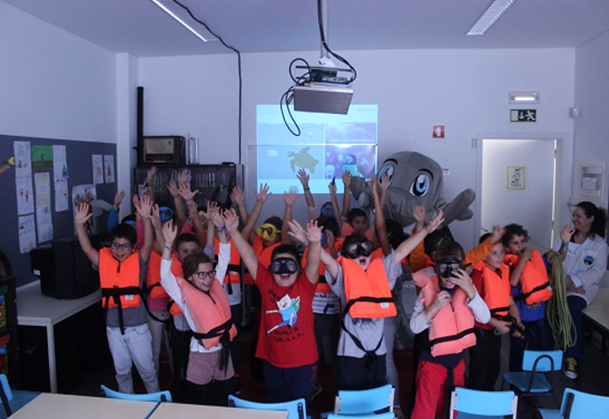
Figure 3 – O feedback de crianças tão pequenas tem sido fantástico.
In preschool, however, it is possible to transmit a little more knowledge, with the simulation of a very interactive Whale Watching trip. Joining several sensory pieces such as videos, sounds and a bit of theatre, we introduce concepts within the ecology of the most emblematic species, and in these ages so inquisitive and imaginative it is now possible to raise awareness of the conservation of the marine environment.
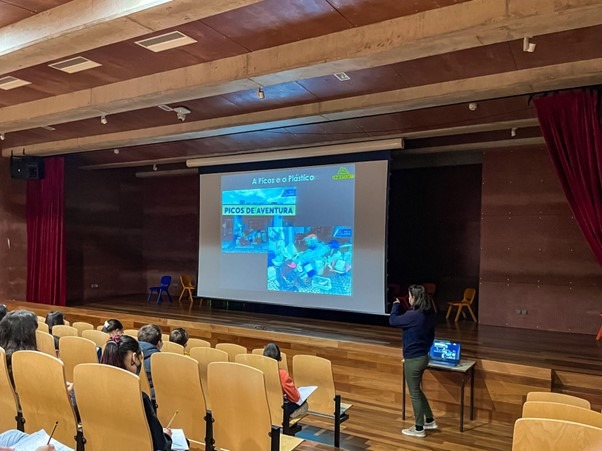
Figure 3 – Creating awareness of our impact on the ocean is the base line of our education.
From Basic Education onwards, the sessions turn into lectures that address the themes mentioned above, adding the History of the Azores and its connection with the Sea and Cetaceans. No Lecture is concluded without, of course, going through the problematic of Global Warming and Plastic in the Oceans and how they are affecting the environment, marine life and the species that inhabit it.
Each session is unique, each class is a challenging and stimulating experience. The relation that is generated during that hour motivates new games and new forms of “reach” this special audience, passing on knowledge and day-to-day experiences of this tourist activity. It is equally gratifying when later on the teachers contact us for new sessions or to let us know the impact caused by our visit.